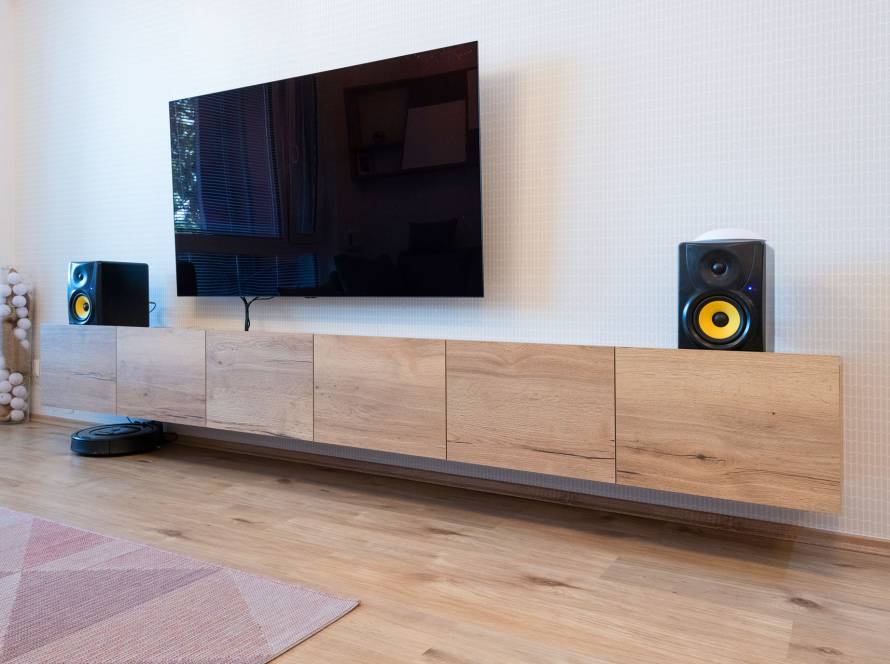
Imagine walking into your house, and before you even reach for a switch, the lights warm up, your favorite playlist hums through hidden speakers, the thermostat nudges to your perfect temperature, and the shades glide down to block the late afternoon glare. That’s not science fiction. That’s a properly executed smart home installation, and it’s more attainable than most homeowners realize.
But here’s the catch: a smart home is only as smart as the people who design and install it. Get it right, and your home feels like it reads your mind. Get it wrong, and you’ve got a drawer full of remotes, apps that don’t talk to each other, and a Wi-Fi network that buckles every Friday night.
What Is a Smart Home Installation?
A smart home installation is the professional setup of connected devices, networks, and control systems that automate lighting, climate, security, audio, and video. It integrates everything into a single platform you control from a phone, voice, or touchscreen, creating a seamless, responsive living environment tailored to your daily routines.
Why Professional Installation Beats DIY (Most of the Time)
You can absolutely buy a smart bulb at the hardware store, plug it in, and call yourself an early adopter. But scaling that approach to an entire home is where things fall apart fast.
Off-the-shelf devices are designed to work in isolation. A professional installation, on the other hand, ties everything into one cohesive ecosystem. That means your motion sensor in the hallway can trigger your lights, adjust your thermostat, and notify your security system, all from a single command.
- Unified control: One app, one remote, one voice assistant, instead of juggling a dozen.
- Reliable networking: Enterprise-grade Wi-Fi and wired backbones that handle dozens of devices without choking.
- Custom programming: Scenes and automations built around how you actually live, not generic presets.
- Future-proof wiring: Conduit, low-voltage runs, and structured cabling that accommodate upgrades down the road.
The Core Components of a Smart Home System
Every great smart home is built on a few foundational layers. Skip one and the whole thing wobbles.
1. The Network
This is the unsung hero. A robust mesh Wi-Fi system, dedicated access points, and a managed switch are non-negotiable. Your smart home is only as fast and stable as the network underneath it.
2. The Control Hub
Think of this as the brain. Platforms like Control4, Crestron, Savant, and Lutron act as the central command, translating your wishes into actions across every connected device.
3. Lighting Control
Smart lighting is the gateway drug of home automation. Dimmers, keypads, and tunable fixtures create mood, save energy, and dramatically change how a space feels at different times of day.
4. Climate and Shades
Automated thermostats and motorized shades work together to regulate temperature and natural light, often without you lifting a finger.
5. Audio and Video
Whole-home audio, hidden speakers, media rooms, and outdoor entertainment zones turn your house into a venue, your venue.
6. Security and Surveillance
Cameras, smart locks, motion sensors, and integrated alarms tie into the same system, giving you visibility and control from anywhere.
What Actually Happens During a Smart Home Installation
People often think installation means a technician shows up with a toolbox and a smile. The real process is far more involved, and the magic happens long before any device is mounted. If you’re curious about the planning, programming, and engineering that goes into a project, this look at the behind the scenes of a smart home walks through the layers most homeowners never see.
Here’s a simplified roadmap of how a professional install unfolds:
- Discovery and design: Designers map out your lifestyle, square footage, and goals to draft a system blueprint.
- Pre-wire phase: If new construction or remodel, low-voltage cabling is run before drywall goes up.
- Equipment selection: Brands and models are matched to your aesthetic, performance needs, and budget.
- Installation and mounting: Devices, racks, speakers, and panels are physically installed.
- Programming and configuration: The system is taught your routines, scenes, and preferences.
- Testing and training: Everything is stress-tested, then you’re walked through how to use it.
- Ongoing service: A good integrator stays involved with updates, tweaks, and remote support.
Common Mistakes to Avoid
Even with the best intentions, smart home projects can go sideways. Here are the pitfalls that come up again and again:
- Underestimating the network: Cheap routers ruin expensive systems.
- Mixing too many platforms: Stick with ecosystems that play nicely together.
- Skipping the pre-wire: Retrofitting later is exponentially more expensive.
- Choosing the cheapest installer: You’re hiring expertise, not just labor.
- Ignoring ongoing service: Firmware updates and integrations need attention over time.
How to Choose the Right Integrator
Your installer matters more than your equipment. A great integrator will ask more questions than you do, listen carefully, and design a system around your real routines.
Look for credentials, certifications from major manufacturers, a strong portfolio, and references you can actually call. Avoid anyone who pushes you toward a single brand before understanding your needs.
Frequently Asked Questions
How long does a smart home installation take?
A small project might wrap up in a few days. A full-home integration with pre-wire, programming, and custom design can take anywhere from several weeks to a few months, depending on scope and construction timelines.
Can I install a smart home system in an older home?
Absolutely. Many systems are designed for retrofits and use wireless protocols like Zigbee, Z-Wave, and Wi-Fi to minimize the need for new wiring. That said, some hardwired upgrades may be needed for the best performance.
Will my smart home still work if the internet goes out?
Most local controls, like lighting scenes, climate, and shades, continue working even without internet. Remote access and cloud-based features will be temporarily unavailable until the connection is restored.
Are smart home systems secure from hackers?
Professionally installed systems use encrypted protocols, secure networks, and routine firmware updates. The biggest vulnerability is usually a weak Wi-Fi password, so good network hygiene is critical.
Can I expand my system later?
Yes, and you should. A well-designed smart home is modular. You can start with lighting and audio, then add shades, cameras, or a media room as your needs and budget evolve.
Do I need a dedicated app for every device?
Not with a properly integrated system. The goal of a professional installation is to consolidate everything into one unified interface, whether that’s a touchscreen, your phone, or a voice command.
The Bottom Line
A smart home installation isn’t about gadgets. It’s about giving your home the ability to respond to you, anticipate your routines, and quietly handle the details so you can focus on living. Done right, it disappears into the background, just working, day after day.
The keys are simple: invest in a strong network, work with an integrator who listens, plan for the future, and resist the temptation to cobble it together yourself. A thoughtfully designed system pays you back every single day in comfort, convenience, and peace of mind.
Your home should work for you. With the right smart home installation, it finally will.