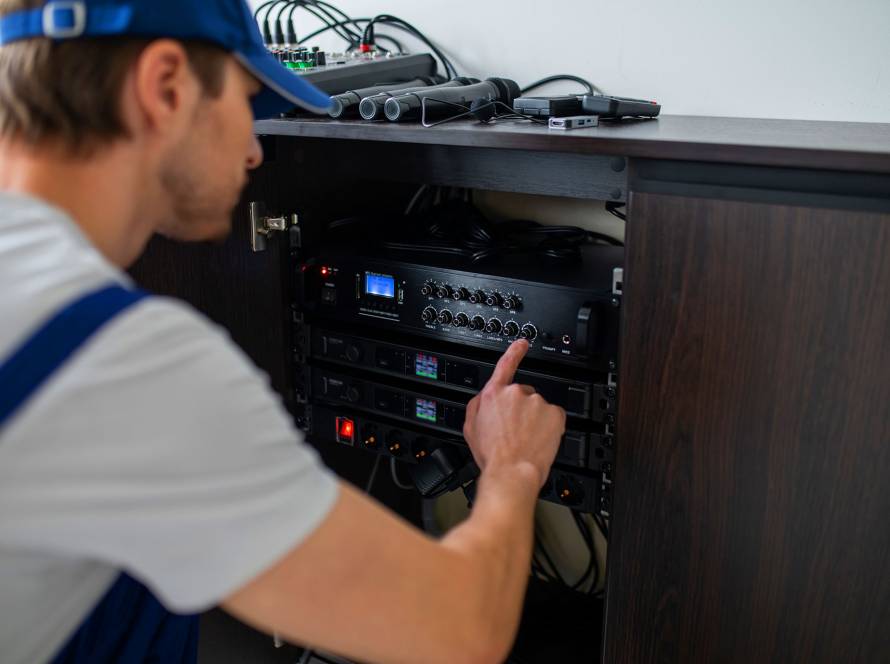
Smart home systems appear simple on the surface. Lights adjust with a tap. Music follows you from room to room. Climate settings change automatically. Behind that simplicity is a complex network working continuously to keep everything connected and responsive.
The Network Is the Foundation
Every smart home system relies on a strong network. Devices communicate constantly. Lights, thermostats, speakers, and security systems all depend on stable connections. If the network is weak, the entire system suffers. Delays occur. Devices disconnect. Performance becomes inconsistent.
A reliable network ensures that all components work together without interruption.
Devices Communicate Through Central Control
Smart systems often operate through a central platform. This platform manages communication between devices. It sends commands, processes inputs, and coordinates responses.
When you adjust a setting, the command moves through this system, triggering multiple actions if needed. For example, a single command may adjust lighting, temperature, and audio simultaneously.
Automation Handles Repetitive Tasks
Automation allows systems to operate without constant input. Schedules, triggers, and conditions guide how devices respond. Lights may turn on at a certain time. Climate settings may adjust based on occupancy.
Common automated functions include:
- Lighting changes based on time of day
- Temperature adjustments based on usage patterns
- Security alerts triggered by movement or access
These processes run in the background, reducing the need for manual control.
Integration Connects Different Systems
A smart home system is made up of many parts. Lighting, audio, security, and climate control must all work together. Integration ensures that these systems communicate effectively. Without integration, devices operate independently. This reduces efficiency and limits functionality.
Simplicity Is Built on Complexity
What feels simple to the user is supported by detailed coordination behind the scenes. Multiple systems communicate, process information, and respond in real time. This creates a seamless experience.
When everything is working properly, the complexity remains hidden. The system feels natural and easy to use. That is what makes smart home technology effective.