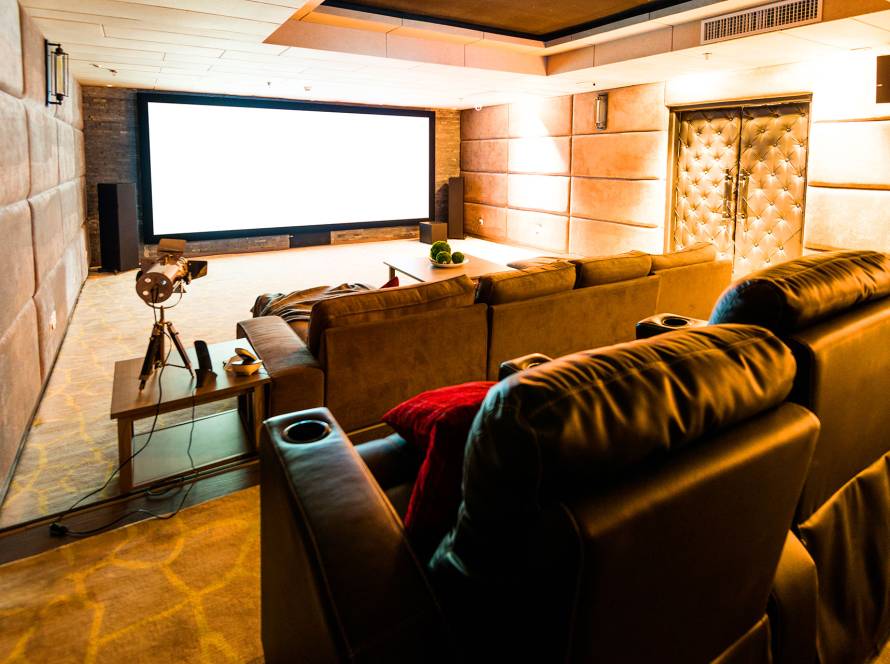
Many people dream of having a media room at home. Big screen. Soft seating. A place to escape for a few hours. But too often, the sound falls flat. Dialogue feels distant. Bass overwhelms the room. Surround effects never quite surround.
A true cinema-like experience is not just about turning up the volume. It comes from thoughtful design that shapes how sound moves through the space.
Why Sound Matters More Than Screen Size
Most homeowners focus on the display first. Bigger screens feel impressive. Yet the real difference between a standard TV room and a cinematic space comes from audio balance.
In a well-designed media room, voices sound clear without strain. Background music fills the air instead of blasting from one corner. Action scenes feel immersive without becoming chaotic. Sound design creates emotion. Without it, even the best visuals feel incomplete.
The Hidden Role of Room Acoustics
Walls, floors, and ceilings influence how audio behaves. Hard surfaces bounce sound unpredictably, creating echoes that muddy dialogue. Soft furnishings help, but strategic acoustic treatment makes the biggest difference. Professionally planned layouts consider speaker placement, viewing distance, and reflection points. These details allow audio to travel naturally across the room.
Instead of hearing speakers, you feel surrounded by sound.
Equipment That Works Together, Not Against Itself
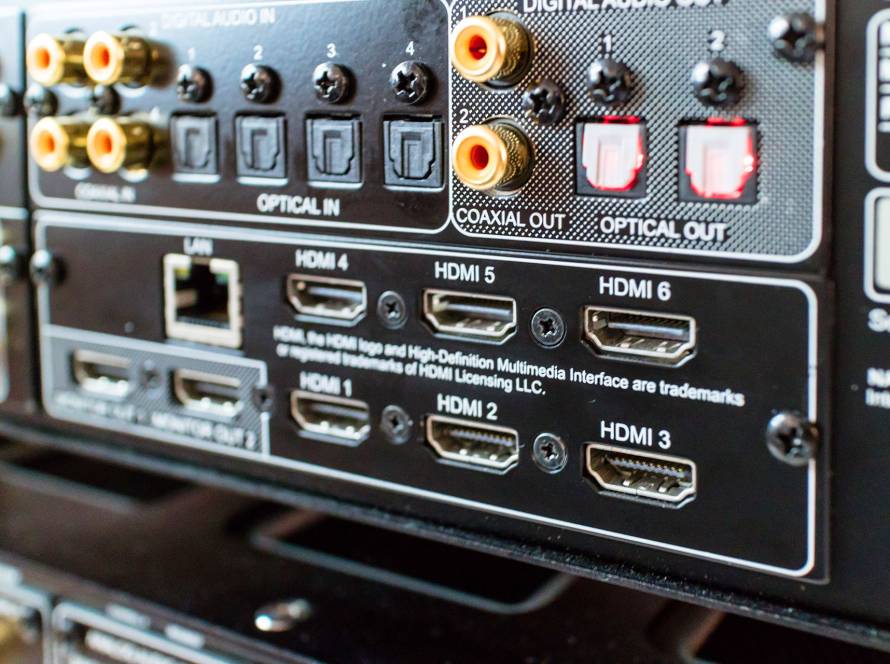
Cinema-quality sound comes from balance. Matching components ensures that every channel plays its role without competing for attention.
A well-integrated system often includes:
- Carefully positioned front speakers that anchor dialogue
- Surround channels placed for immersive effects
- Subwoofers tuned to support depth rather than overwhelm
- Amplification that delivers clean power without distortion
Each piece contributes to a cohesive listening experience.
Lighting and Design Shape the Experience Too
A true media room goes beyond audio equipment. Lighting controls reduce glare and create atmosphere. Darker finishes minimize reflections on the screen. Comfortable seating positions viewers in the optimal listening zone.
These design choices help viewers focus fully on the content rather than distractions.
From Movie Night to Everyday Escape
Once a media room reaches cinematic quality, its purpose expands. Families gather for film nights. Gamers enjoy immersive worlds. Music lovers rediscover albums they thought they knew. The room becomes more than entertainment. It becomes a destination inside the home. And when sound feels effortless, the line between home theater and real cinema starts to fade.