Step into any modern conference room, lecture hall, or entertainment venue, and you’ll likely encounter sophisticated technology working seamlessly behind the scenes. AV control systems have revolutionized how we interact with audio-visual equipment, transforming complex technical setups into intuitive, user-friendly experiences that anyone can master with minimal training.
Understanding AV Control Systems and Their Core Components
At its heart, an AV control system serves as the central nervous system for all audio-visual equipment in a space. These intelligent platforms integrate multiple devices, from displays and projectors to audio processors and video switchers, into a unified ecosystem controlled through a single interface.
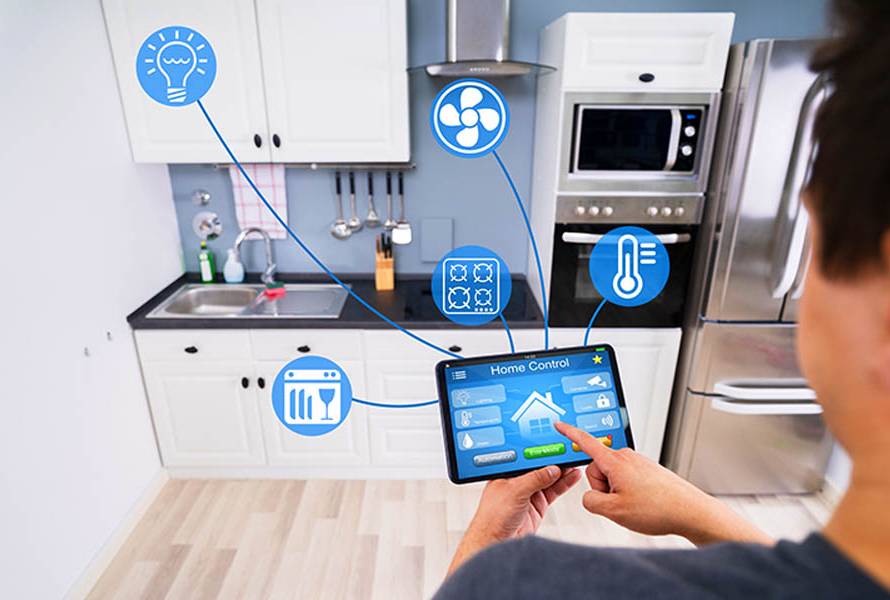
Modern control systems typically consist of three essential components: the control processor (the brain that executes commands), the user interface (touchpanels, keypads, or mobile apps), and the controlled devices themselves. The magic happens when these elements work in harmony, allowing users to execute complex operations with simple button presses or voice commands.
The evolution from manual operation to automated control has eliminated the frustration of juggling multiple remotes, memorizing input selections, and troubleshooting connection issues. Today’s systems can automatically configure rooms based on meeting types, adjust environmental conditions, and even predict maintenance needs before problems arise.
Key Benefits of Implementing Professional AV Control Systems
Organizations investing in professional-grade control solutions consistently report transformative improvements in their daily operations. The immediate benefit most users notice is the dramatic reduction in setup time, which once took 15 minutes of fumbling with cables and settings now happens instantly at the touch of a button.
Productivity gains extend far beyond time savings:
- Reduced technical support calls by up to 70%
- Consistent user experience across all meeting spaces
- Enhanced presentation quality through optimized settings
- Remote monitoring and troubleshooting capabilities
- Energy savings through automated power management
Perhaps most importantly, these systems democratize technology access. When complex AV equipment becomes as simple to operate as a smartphone app, participation barriers disappear, and collaboration flourishes.
Popular Applications Across Different Industries
Corporate Environments
In corporate settings, AV control systems have become indispensable for managing huddle rooms, boardrooms, and training facilities. Companies leverage these platforms to standardize meeting experiences across global offices, ensuring remote participants enjoy the same quality interaction as those physically present.
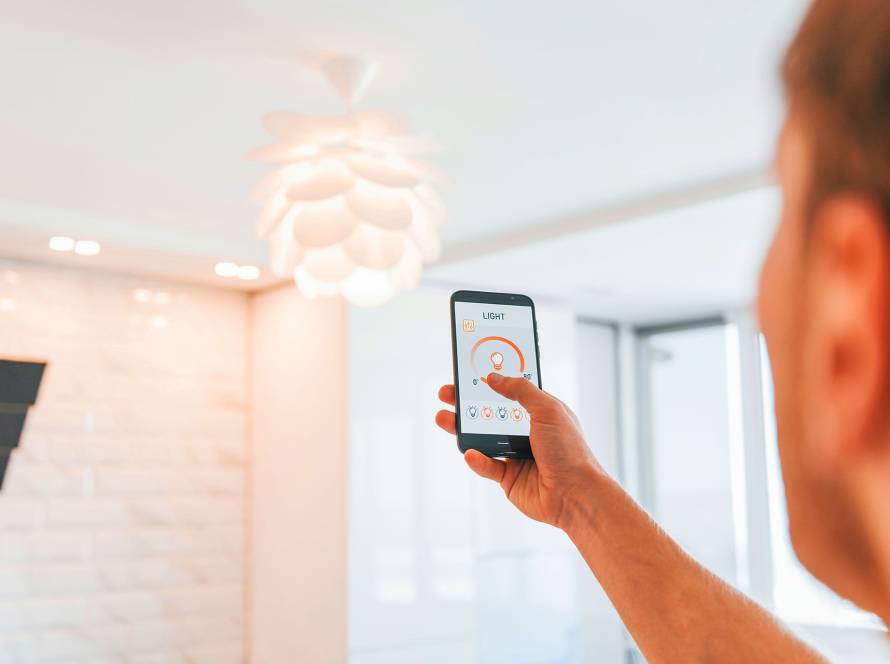
The integration extends beyond traditional meeting spaces. Many organizations now incorporate environmental controls into their AV systems, creating truly smart offices. For instance, automated lighting systems work in tandem with AV controls to adjust illumination based on presentation content, enhancing visibility while reducing eye strain during extended sessions.
Educational Institutions
Universities and schools have embraced control systems to support diverse teaching methods. Professors can seamlessly transition between lecture slides, document cameras, and interactive whiteboards without interrupting their flow. Distance learning capabilities have become particularly crucial, with systems automatically recording lectures and streaming them to remote students.
Entertainment and Hospitality
From luxury hotels to sports bars, hospitality venues rely on AV control systems to manage multiple display zones, audio routing, and ambient experiences. These systems enable staff to quickly reconfigure spaces for different events, transforming a restaurant into a sports viewing venue or adjusting hotel ballroom setups between conferences.
Essential Features to Look for in Modern Systems
Selecting the right control platform requires careful consideration of both current needs and future scalability. The most successful implementations share several critical characteristics that separate professional-grade solutions from consumer alternatives.
Scalability & Flexibility
Systems should accommodate growth without complete overhauls. Look for modular architectures that support additional rooms, devices, and functionality through software updates rather than hardware replacements.
Intuitive User Interfaces
The best control systems offer customizable interfaces that match your organization’s workflow. Whether through touchpanels, mobile apps, or voice control, operation should feel natural and require minimal training.
Network integration capabilities have become non-negotiable in today’s connected world. Modern AV control systems should seamlessly integrate with IT infrastructure, supporting remote management, cloud-based analytics, and cybersecurity protocols that protect against unauthorized access.
Compatibility with emerging standards ensures the longevity of your investment. Systems supporting protocols like Dante for audio networking, HDBaseT for video distribution, and various IoT standards position organizations for future technological advances without costly retrofitting.
Installation and Setup Considerations
While the allure of DIY installation might seem cost-effective, professional installation of AV control systems typically pays dividends through optimized performance and reduced long-term issues. Certified integrators bring expertise in cable management, rack design, and system commissioning that ensures reliable operation from day one.
The installation process typically follows these phases:
- Needs Assessment: Documenting user requirements, room layouts, and device inventories
- System Design: Creating detailed drawings and programming logic
- Pre-wire and Infrastructure: Installing cabling, mounting hardware, and network connections
- Device Installation: Mounting displays, speakers, and control interfaces
- Programming and Configuration: Customizing control logic and user interfaces
- Testing and Commissioning: Verifying all functions and training users
Budget considerations should account for both initial investment and ongoing costs. While enterprise-grade systems require significant upfront capital, the total cost of ownership often favors professional solutions when factoring in reduced support requirements, energy savings, and productivity gains.
Leading Brands and Platform Comparisons
The AV control systems market offers diverse solutions ranging from entry-level platforms to sophisticated enterprise systems. Industry leaders like Crestron, Extron, and AMX (now part of Harman) dominate commercial installations with comprehensive ecosystems supporting thousands of third-party devices.
Enterprise Platforms
Crestron’s ecosystem stands out for its extensive customization capabilities and robust programming options. Their solutions scale from simple room controllers to campus-wide management systems, with recent cloud-based offerings simplifying deployment and maintenance.
Extron focuses on reliability and ease of use, particularly in education and government sectors. Their GlobalViewer Enterprise software provides centralized monitoring and control of AV systems across multiple locations, making it ideal for organizations with distributed facilities.
Mid-Market Solutions
Companies like QSC and Atlona offer compelling alternatives for organizations seeking professional features without enterprise complexity. These platforms excel in specific applications, QSC in audio processing and Atlona in video distribution, while maintaining broad compatibility with other manufacturers’ equipment.
Troubleshooting Common System Issues
Even well-designed AV control systems occasionally encounter issues that require systematic troubleshooting. Understanding common problems and their solutions empowers users to resolve minor issues without waiting for technical support.
Frequent Issues and Quick Fixes:
- Unresponsive touchpanel: Check network connectivity and power cycle the device
- No display output: Verify HDCP compliance and cable connections
- Audio feedback: Adjust microphone placement and gain settings
- Intermittent control: Update firmware and check for IP address conflicts
- Slow system response: Clear cache files and verify network bandwidth
Preventive maintenance significantly reduces system downtime. Regular firmware updates, cable inspections, and performance monitoring catch potential issues before they impact users. Many organizations establish service agreements with integrators for quarterly system health checks and priority support.
Future Trends Shaping AV Control Technology
The convergence of artificial intelligence and AV control systems promises unprecedented automation and user experience improvements. Next-generation platforms are already incorporating machine learning algorithms that optimize room settings based on usage patterns, automatically adjusting audio levels, camera angles, and display brightness for optimal collaboration.
Voice control and natural language processing are rapidly maturing from novelty features to primary interaction methods. Users can simply state their intentions, “Start the budget review presentation”, and the system orchestrates all necessary actions, from lowering screens to joining video conferences.
As workplace dynamics continue evolving and hybrid collaboration becomes permanent, these systems will only become more critical to organizational success. The question isn’t whether to adopt AV control technology, but rather how quickly you can leverage its benefits to gain a competitive advantage in an increasingly connected world.