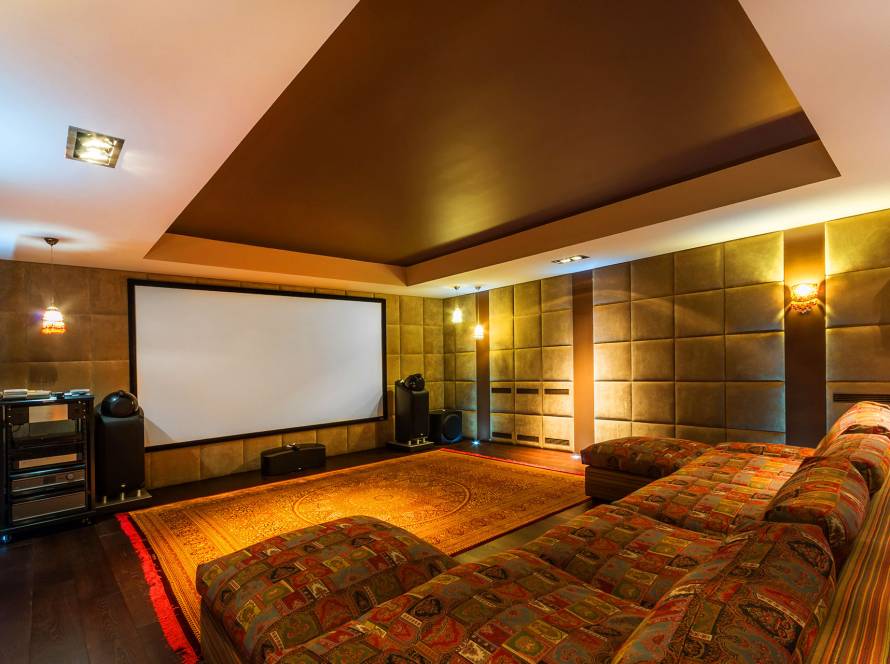
Most businesses upgrade AV systems only when something fails. A screen stops working. Audio cuts out. Control systems lag or become unreliable. By that point, the upgrade is reactive. Future-proofing works differently. It focuses on preventing those moments before they happen.
Scalability Keeps Systems Relevant
Technology changes quickly. What works today may feel outdated sooner than expected. A future-ready AV system is designed to grow. It allows for expansion without needing a full replacement. Additional displays, upgraded controls, or new integrations can be added without disrupting the entire setup.
Scalable systems extend the life of your investment and reduce the need for major overhauls.
Infrastructure Matters More Than Equipment
The visible components often get the most attention. Screens, speakers, and control panels.
But the infrastructure behind them determines long-term performance. Cabling, network capacity, and system architecture all play a role.
When infrastructure is built with flexibility in mind, upgrades become easier. Without it, even small changes can require significant rework.
Compatibility Prevents Early Obsolescence
One of the biggest risks in AV systems is incompatibility. New technologies may not integrate with older components. This forces partial replacements or workarounds that reduce performance. A forward-thinking upgrade focuses on compatibility. It ensures that systems can connect with future technologies as they become available.
Important considerations often include:
- Support for evolving connectivity standards
- Integration with modern control platforms
- Flexibility to adapt to new software and devices
These factors help systems remain functional over time.
Proactive Maintenance Extends System Life
Future-proofing is not just about installation. It includes ongoing care.
Regular updates, performance checks, and minor adjustments keep systems running smoothly. This reduces the likelihood of sudden failures.
Maintenance also helps identify areas that may need upgrades before they become critical.
User Experience Should Evolve With Technology
As technology improves, user expectations change. Systems should remain easy to use even as they become more advanced. Controls should stay intuitive. Interfaces should remain clear. An upgrade that improves performance but complicates use creates new challenges.
Staying Ahead Prevents Disruption
Waiting for failure creates urgency. Urgency leads to rushed decisions. Planning ahead allows for thoughtful upgrades that fit the business. It reduces downtime and avoids unnecessary disruption.
Future-proofing is not about predicting every change. It is about building systems that can adapt when change happens.