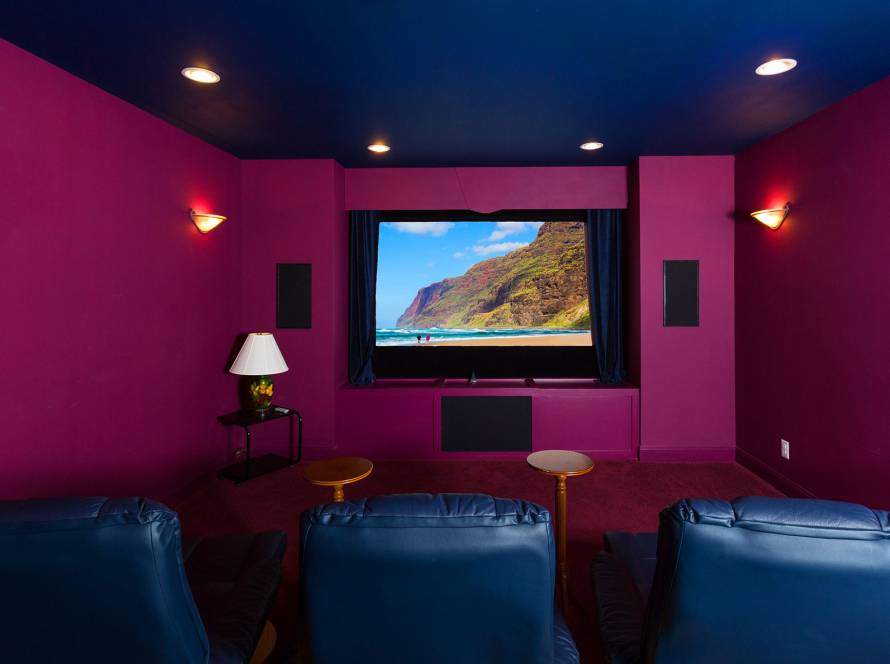
Speakers can be expensive. High-quality drivers, advanced materials, and powerful amplifiers all contribute to better sound. Yet even the best speakers can perform poorly if they are placed incorrectly.
Speaker placement plays a crucial role in how audio fills a room. A small adjustment in position can completely change how music, dialogue, or surround sound is perceived.
Why Placement Matters So Much
Sound travels as waves. When these waves bounce off walls, ceilings, and furniture, they interact with one another. Some frequencies may amplify while others fade away. Poor placement creates uneven sound. Bass may boom in one corner of the room while disappearing in another. Dialogue may sound distant even when the volume is high.
Correct placement helps sound distribute evenly.
The Listening Position Comes First
Professionals often begin by identifying the primary listening position. This may be a sofa, a home theater seat, or a dedicated listening chair. Once this position is established, speakers are arranged around it.
The goal is to create a balanced soundstage. Each speaker contributes to a cohesive audio image rather than competing with the others.
Distance and Symmetry Improve Balance
Speakers should often sit at equal distances from the primary listening position. Symmetry allows the brain to interpret sound naturally. When one speaker sits much closer than another, the sound becomes unbalanced.
Even small adjustments in distance can improve stereo imaging. In well-balanced systems, listeners can easily distinguish where each instrument or sound effect originates.
Height Affects Clarity
Speaker height is another important factor. Tweeters, the part of the speaker that produces high frequencies, should typically align with ear level when seated. This alignment helps deliver clear, natural sound.
When speakers sit too high or too low, certain frequencies may become less noticeable. Proper height keeps the sound balanced.
Practical Speaker Placement Tips
Professionals often rely on several guidelines when positioning speakers in a room.
These include:
- Placing front speakers at equal distances from the listening position
- Positioning tweeters close to ear level for clarity
- Avoiding tight corners that exaggerate bass frequencies
- Leaving space between speakers and walls to reduce reflections
- Angling speakers slightly toward the listening area
These adjustments help maintain sound balance.
Room Layout Influences Sound
Every room presents unique challenges. Large open spaces may require additional speakers to distribute sound evenly. Smaller rooms may need careful placement to prevent echo or excessive bass.
Furniture placement also matters. Couches, rugs, and shelves can absorb or reflect sound in subtle ways.
Surround Sound Requires Even More Precision
Home theater systems often include multiple speakers positioned around the room. Front channels handle dialogue and main audio. Side and rear speakers create immersive effects. Subwoofers handle deep bass frequencies.
Each speaker must work together to create the illusion of sound moving through space. Incorrect placement disrupts that illusion.
A Room Can Transform With the Right Placement
Many people assume they need new equipment when sound quality disappoints. In reality, repositioning existing speakers can dramatically improve the listening experience.
Moving speakers just a few inches may eliminate reflections or balance frequencies.
The Room Becomes Part of the System
Great sound systems treat the room itself as part of the design. Walls, ceilings, and furniture all influence how audio behaves. When speakers are placed thoughtfully within that environment, the system performs far better. And suddenly, the room begins to sound exactly the way it should.