A home theater doesn’t automatically feel like a theater. You can buy the biggest screen, the nicest projector, the sharpest audio system, and the room can still feel flat. The difference between “watching a movie at home” and “a cinematic experience” isn’t just equipment. It’s atmosphere, pacing, lighting, acoustics, and that subtle sense of immersion you only notice when it’s missing.
Fortunately, you don’t need a Hollywood budget to create it. You just need a few smart tricks that shift the room from functional to unforgettable.
Start With Lighting That Sets the Mood
Lighting shapes emotion more than anything in the room. If the lights are harsh, scattered, or too bright, the illusion breaks. Cinemas use layered lighting for a reason: they guide the eyes, they soften the edges, and they make the screen the star.
Home theaters benefit from the same approach.
Think warm glow, not overhead glare. Think dimmable layers. Think of a quiet light that frames the room rather than fighting the screen. When the lighting supports the content, immersion deepens fast.
Improve Acoustics Without Making the Room Look Like a Studio
You don’t need giant panels everywhere. You just need to tame reflections and soften the surfaces that bounce sound back at you. Even small adjustments change clarity dramatically, dialogue becomes sharper, bass becomes cleaner, and the room stops sounding like a hollow box.
Strategic acoustic treatment solves:
- Echoes That Cloud Dialogue And Sound Effects
- Harsh Highs That Fatigue Your Ears Over Time
- Bass That Booms Instead Of Hits Cleanly
- Uneven Sound From Wall To Wall
A few well-placed treatments make a room instantly calmer and clearer.
Hide the Tech, Highlight the Experience
A cinematic room never feels like a showroom. Wires disappear. Speakers blend into walls or sit behind fabric. Equipment lives in neatly managed racks rather than stacking in a corner.
When the tech fades into the background, the story on screen takes over. Your mind stops noticing hardware and focuses entirely on the scene unfolding in front of you.
Small changes, like concealed lighting, flush-mounted speakers, or recessed wiring, create a huge psychological shift.
Add Movement and Automation for That “Theater” Moment
Part of the magic of going to the movies is the choreography. The lights dim. The sound rises. The screen glows. Everything feels intentional.
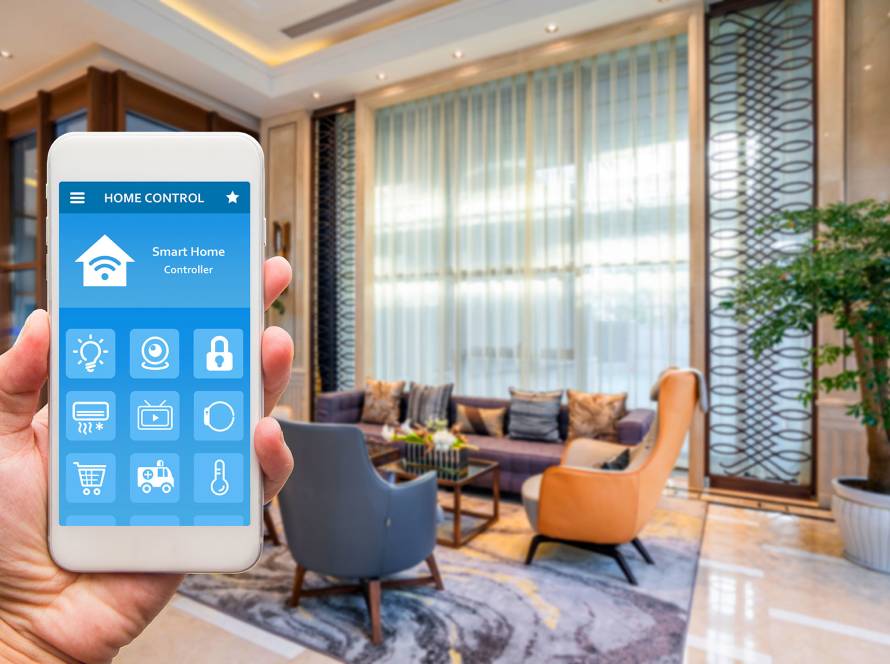
Smart home theaters now recreate that feeling with automation. One button can adjust lights, close shades, power the projector, and set audio levels, all in a smooth sequence that feels more like an experience than a task. Automation elevates simple actions into cinematic rituals.
Comfort Matters More Than You Think
Great theaters aren’t just about sound and picture. They’re about comfort. Chairs that don’t squeak. A temperature that doesn’t fluctuate. Sightlines that don’t force neck strain. Cupholders within reach. Enough space to relax.
Comfort keeps people in the moment. Discomfort pulls them out instantly.
Cinematic Isn’t Complicated, It’s Intentional
A cinematic home theater isn’t created by adding more stuff. It’s created by refining the environment so every detail supports the story on the screen.
Adjust the lighting. Improve the sound. Hide the clutter. Add a bit of automation. Make the room comfortable. Do those things, and you won’t just watch a movie. You’ll feel like you’re inside it.