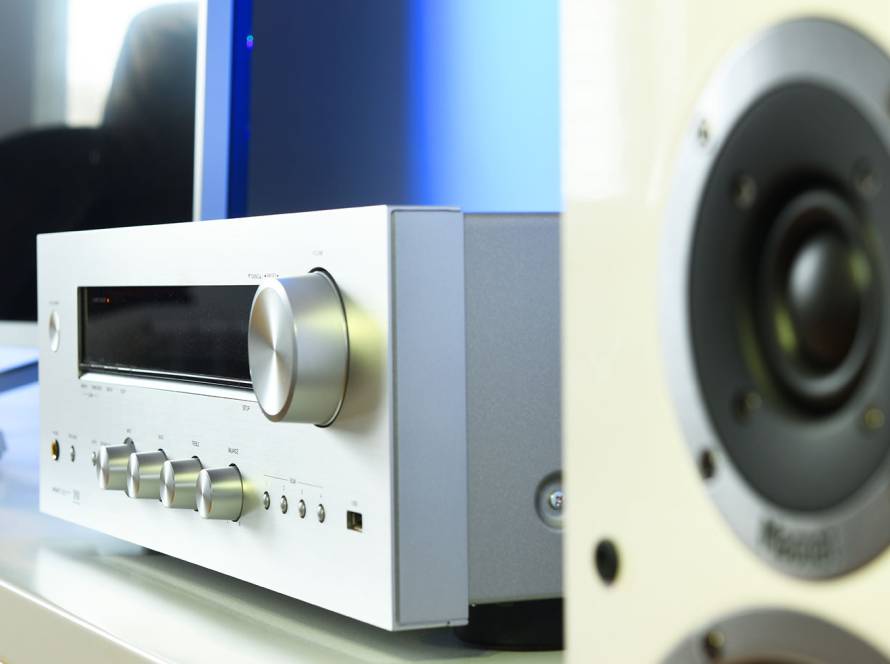
Great audiovisual systems rarely call attention to themselves. They don’t scream for notice. They don’t clutter the room. Instead, they disappear into the background. Yet somehow, everything looks smoother. Sounds clearer. Works easier.
That isn’t an accident. It’s design, the kind most people never see.
Technology Should Support The Space, Not Dominate It
Many projects begin backward. People pick gear first, then figure out where to place it later. That leads to awkward screens, visible cables, echo-filled rooms, and patchwork fixes.
Invisible design flips the process. It starts with the space, the people in it, and the experiences it needs to support. The technology follows.
Planning before Wiring Solves Problems Later
When AV is an afterthought, walls get opened twice. Furniture competes with speakers. Screens block windows. Smart projects plan early. Before drywall. Before furniture. Before ceilings close.
That planning quietly ensures:
- Equipment hides cleanly
- Power and wiring routes stay organized
- Screens land at natural sight lines
- Sound coverage reaches evenly
No chaos. No visual clutter. Just systems that appear to “belong.”
Sound is Designed, Not Guessed
Great audio feels natural. You barely think about it. Poor audio? You notice immediately. Tinny. Boomy. Hard to understand.
Invisible design models acoustics, speaker locations, and absorption before installation ever starts. That means voices sound clear in conference rooms. Music fills spaces without overpowering conversation. Background systems blend into daily life.
Control Should Feel Effortless
Buttons everywhere. Too many remotes. Screens buried in sub-menus. When control systems aren’t designed with users in mind, frustration takes over.
Invisible design simplifies interactions. One touch. Logical labeling. Automated behaviors where it makes sense. You walk in. Things just work. That’s not luck. That’s deliberate thinking about how people actually behave.
Wires Don’t Belong In Sight
Nothing breaks the magic faster than visible cables draped across floors or dangling behind furniture. Routing, conduit planning, and dedicated rack spaces keep infrastructure hidden while remaining accessible for service.
The result looks elegant, but it’s also practical. Organized systems run cooler, fail less, and stay easier to maintain.
Flexibility Must Live Behind The Scenes
Spaces change. Teams grow. New devices appear.
Future-ready AV systems leave room for expansion without tearing everything apart. Modular racks. Extra conduit paths. Network capacity. That invisible foresight saves money later.
Reliability is Designed into the Foundation
When systems fail, it’s rarely the screen or speaker. It’s usually power, networking, heat, or poor integration. Invisible design accounts for airflow, redundancy, cable quality, grounding, and clean signal paths.
Those details stay unseen until the day something doesn’t break when it easily could have.
Form and Function Finally Meet
When AV disappears visually, the room looks cleaner. When AV disappears operationally, the experience feels better. Meetings stay focused. Presentations flow. Entertainment engages. Houses of worship sound intimate instead of overwhelming.
Everything works because the system was designed holistically, not pieced together.
Conclusion
High-performing AV systems don’t start with equipment lists. They start with a thoughtful, invisible design that shapes how technology integrates into everyday life.
When planning comes first, technology fades gracefully into the background, and the experience becomes the star.